
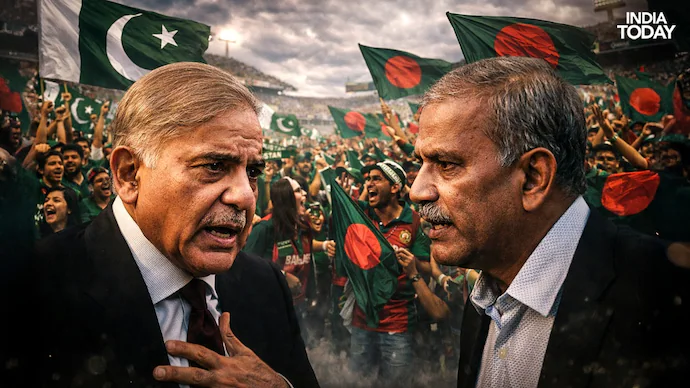
Cricket has long been more than just a sport. It reflects history, identity, diplomacy, and national pride—especially across South Asia, the UK, Australia, and parts of Africa. In recent decades, global politics and geopolitical conflicts have increasingly shaped how, where, and whether international cricket is played. From cancelled tours to visa issues, and from diplomatic tensions to security risks, the game is deeply intertwined with the global political climate.
This article explores how political relations, conflicts, and global power dynamics are influencing international cricket today.
Cricket and Politics: A Relationship That Never Separated
Unlike some sports that operate with relative neutrality, cricket has always been closely linked to national identity and political narratives. Colonial history, regional rivalries, and economic alliances have all shaped the cricketing world.
Examples include:
Colonial legacy shaping cricketing ties among Commonwealth nations
Government involvement in cricket boards
Cricket used as a tool of diplomacy (“cricket diplomacy”)
Political decisions often directly affect:
Bilateral tours
Tournament hosting rights
Player participation
Broadcasting and sponsorship deals
Geopolitical Tensions Impacting Bilateral Series
One of the most visible effects of politics on cricket is the cancellation or absence of bilateral matches between nations with strained relations.
India–Pakistan Rivalry
Bilateral series remain suspended due to political tensions.
Matches occur mostly in ICC tournaments at neutral venues.
Diplomatic shifts often determine if teams meet outside global events.
Other Global Tensions
Political instability in certain regions prevents tours.
Nations avoid playing in countries facing sanctions or unrest.
Result:
Fans lose traditional rivalries.
Boards lose major revenue opportunities.
Players miss career-defining matchups.
Security Concerns and Player Safety
Global conflicts and internal unrest significantly impact where cricket can be played safely.
Key concerns include:
Terror threats
Civil unrest
Border conflicts
Political protests
These risks lead to:
Matches moved to neutral venues
Heavy security costs
Player withdrawals due to safety concerns
For example, several countries have had to host “home” matches abroad due to safety fears, affecting fan engagement and financial stability.
Visa Restrictions and Diplomatic Barriers
International cricket depends on cross-border travel. Political relations directly influence:
Visa approvals for players and support staff
Travel restrictions during conflicts
Media access and broadcasting permissions
When diplomatic relations worsen:
Teams may face entry barriers
Journalists and fans may be denied travel
Events lose global participation
This disrupts tournament planning and damages the spirit of global competition.
Impact on Global Tournaments and Hosting Rights
Political stability is a major factor when awarding international tournaments.
Issues that influence hosting decisions:
Government stability
Diplomatic relations
Infrastructure safety
International perception
Conflicts can lead to:
Tournament relocation
Reduced sponsorship interest
Travel hesitancy among teams and fans
Host nations rely heavily on international perception; political instability can cost them major global events.
Economic Sanctions and Sponsorship Disruptions
Cricket is a multi-billion-dollar industry supported by sponsors, broadcasters, and advertisers. Political conflicts can trigger:
Trade sanctions
Brand withdrawals
Currency restrictions
Broadcasting limitations
Consequences include:
Reduced league revenues
Contract disputes
Financial pressure on boards
Smaller cricketing nations are especially vulnerable when funding declines.
Nationalism and Fan Polarization
Cricket fuels strong emotional and national connections. Political conflicts intensify these sentiments.
Effects include:
Online hostility among fan bases
Political messaging during matches
Pressure on players representing rival nations
Social media controversies
Players often face expectations to reflect national sentiments, blurring the line between sport and politics.
Athlete Diplomacy vs Government Policy
Cricketers themselves often promote unity and sportsmanship, even when governments clash.
Examples of athlete influence:
Friendly gestures across teams
Public calls for peace and cooperation
Cross-border league participation
However:
Players must follow national boards and policies
Statements can become politically sensitive
Careers may be impacted by public positions
The Role of Cricket Boards and ICC
Cricket boards and the International Cricket Council (ICC) attempt to keep politics separate from sport—but complete separation is impossible.
Challenges they face:
Government influence over cricket boards
Pressure from host nations
Balancing neutrality with safety
Maintaining global participation
The ICC often must:
Shift venues
Mediate between nations
Protect tournament continuity
Franchise Leagues: A New Political Buffer?
Global franchise leagues (IPL, BBL, PSL, The Hundred, etc.) are creating alternative spaces where players from rival nations share dressing rooms.
Positive impacts:
Cultural exchange
Reduced political hostility at player level
Financial independence from bilateral politics
Yet even leagues are affected by:
Government permissions
Sponsorship ties
Travel regulations
The Future of Cricket in a Politically Complex World
International cricket will continue to be shaped by global politics. Key trends likely to grow:
More neutral venue matches
Expansion of franchise leagues
Increased role of diplomacy in sports scheduling
Greater security investments
Digital viewership replacing travel-heavy fan participation
The challenge for cricket’s future is balancing:
National pride
Global cooperation
Commercial sustainability
Player safety
Conclusion
Cricket mirrors the world we live in—diverse, interconnected, and sometimes divided. Global politics and conflicts are not external forces; they actively shape the sport’s structure, schedules, and spirit.
While tensions may cancel matches or shift tournaments, cricket continues to serve as a bridge between nations, cultures, and communities. In many cases, it remains one of the few platforms where rival countries still meet—not as adversaries, but as competitors bound by rules, respect, and shared passion.
The future of international cricket will depend not just on talent and technology, but also on diplomacy, cooperation, and the global desire to keep sport above conflict.
courtesy by www.indiatoday.in & www.aljazeera.com